
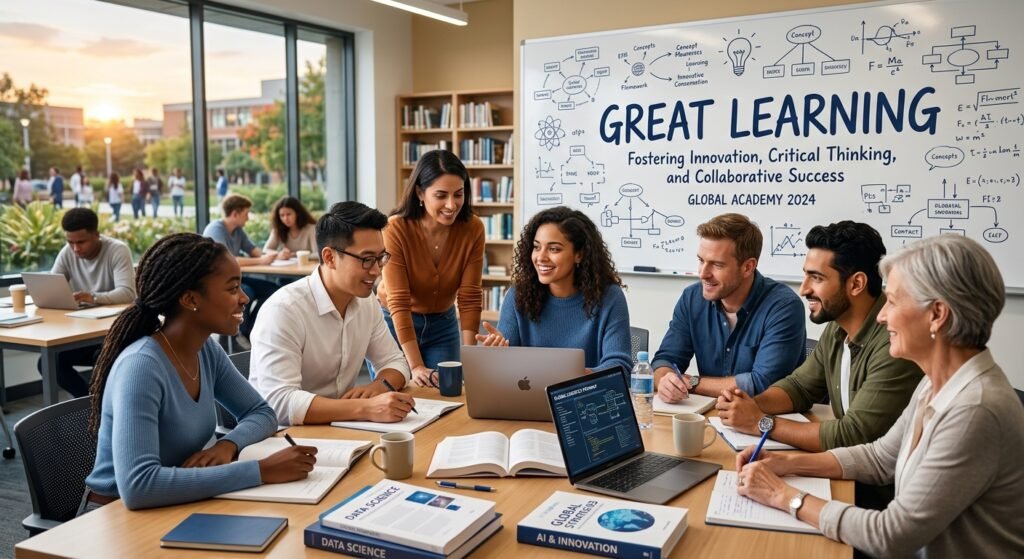

Online education has made it easier for people to explore new subjects, develop practical skills, and continue learning outside traditional classrooms. However, beginners often struggle to choose the right course, understand certificate requirements, and decide whether an online learning platform is worth their time.
Great Learning is one platform that offers different learning opportunities for students, professionals, and people exploring new career interests. It provides courses and professional programs in areas such as programming, data science, artificial intelligence, business, and management.
Its Academy includes introductory courses that allow learners to explore subjects before deciding whether they need more advanced training.
What Is Great Learning and How Does It Work?
Great Learning is an online education provider focused on professional learning and higher education. Its offerings include introductory courses, professional certificate programs, and selected programs delivered in collaboration with universities and other educational partners.
Learners can explore available subjects, review course descriptions, and select options that match their experience and goals. Depending on the course, the learning experience may include recorded lessons, quizzes, assignments, projects, or mentoring.
Overview of the Great Learning Platform
Great Learning covers several subject areas, including data science, artificial intelligence, programming, cybersecurity, business analytics, and management. It Academy is its learning initiative offering introductory online courses in various subjects.
Course length, difficulty, learning materials, and certificate conditions vary. Beginners should examine the details of each course instead of assuming that every program offers the same features.
How Great Learning Supports Online Education
The platform gives learners opportunities to study through digital course materials. Depending on the course format, learners may be able to review lessons at their convenience, practise concepts, and assess their understanding through exercises.
This approach can be helpful for people balancing education with work or personal responsibilities. However, successful online learning still requires regular practice, time management, and active participation.
Who Should Use Great Learning?
Great Learning may suit beginners who want to explore technology, students seeking additional knowledge, professionals developing workplace skills, and career changers investigating a new field.
It can also help curious learners understand unfamiliar subjects before committing to advanced education. The most appropriate option depends on the learner’s experience, budget, schedule, and objectives.
How to Get Started With Great Learning as a Beginner
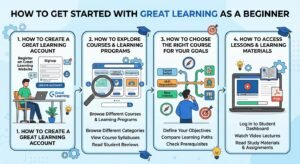
Starting with great learning is easier when you identify one clear objective. Decide whether you want to understand programming, improve your data skills, explore artificial intelligence, or develop business knowledge.
Next, select an introductory course and review its requirements. Once you understand the expected commitment and any applicable fees, follow the registration instructions and begin studying.
How to Create a Great Learning Account
Visit the official platform and look for its registration option. Follow the instructions displayed on the website, using an available registration method such as email or a supported account sign-in option.
After registration, browse the available courses and follow the enrollment instructions for your chosen subject. Check the course terms before purchasing certificates or additional services.
How to Explore Courses and Learning Programs
Browse the catalogue by subject and compare introductory courses with longer professional programs. Read the course descriptions to understand what each option covers and which skills great learning aims to teach.
Pay attention to learning level, estimated duration, prerequisites, assessments, and certificate conditions. This helps you choose a course based on its actual content rather than its title alone.
How to Choose the Right Course for Your Goals
Start with the skill you want to develop. For example, someone interested in data analysis might begin with spreadsheet skills, while a future programmer could start with basic programming concepts.
Choose a course that matches your existing knowledge and available time. If you are completely new to a subject, an introductory course is generally a more practical starting point than an advanced program.
How to Access Lessons and Learning Materials
After enrolling, use the course interface to access the materials provided. Depending on the offering, these may include videos, explanations, quizzes, assessments, and exercises.
Study the lessons in sequence when the curriculum builds on earlier concepts. Take notes, revisit difficult topics, and practise independently to check your understanding.
Best Great Learning Courses for Beginners
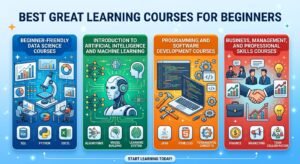
The best great learning course depends on your interests and goals. Beginners should focus on foundational knowledge before attempting advanced projects or specialized professional training.
Beginner-Friendly Data Science Courses
Data science involves analysing information to identify patterns and support decisions. Beginners can explore statistics, spreadsheets, data visualization, and introductory data analysis.
Starting with basic statistics or Excel can make later data science topics easier to understand. Practice with sample datasets can also help learners develop analytical skills.
Introduction to Artificial Intelligence and Machine Learning
Artificial intelligence involves systems designed to perform tasks associated with human intelligence. Machine learning is a branch of AI that uses data to learn patterns and make predictions or decisions.
Introductory courses can explain these concepts, their applications, and their differences. Learners interested in deeper study may later explore mathematics, statistics, and programming.
Programming and Software Development Courses
Programming courses introduce the principles used to create software and automate tasks. Great Learning Academy lists beginner-oriented programming options, including Python Fundamentals for Beginners.
Learners can start with variables, data types, conditions, loops, and functions before moving to more complex concepts. Writing small programs and correcting errors are important parts of developing programming skills.
Business, Management, and Professional Skills Courses
Beginners interested in nontechnical subjects can explore business, project management, human resources, and digital marketing.
These subjects can introduce useful workplace concepts and help learners investigate professional interests. Choose a course that connects to your responsibilities or the skills you want to develop.
What Can Beginners Learn Through Great Learning?
The knowledge gained through great learning depends on the course content and the effort invested in practice. Introductory courses can establish a foundation, but advanced competence generally requires additional experience.
Essential Digital and Technical Skills
Learners may explore spreadsheet tools, programming fundamentals, data analysis, or introductory AI concepts. These skills can support tasks such as organizing information, automating simple processes, and understanding technical workflows.
Problem-Solving and Analytical Skills
Programming and data-related subjects encourage learners to break problems into smaller steps, examine evidence, and test possible solutions. These approaches can also help with planning, research, and workplace decision-making.
Practical Knowledge for Career Development
Courses can help learners investigate skills relevant to a professional field. For example, a prospective analyst might study spreadsheets, while someone interested in software development might practise writing programs.
Career outcomes depend on many factors, including experience, qualifications, practical ability, and employer requirements. Completing a course alone does not guarantee employment.
Skills for Personal and Professional Growth
Online learning can encourage independent study, time management, curiosity, and continuous improvement. These habits become more valuable when learners consistently practise and apply what they discover.
Are Great Learning Courses Free for Beginners?
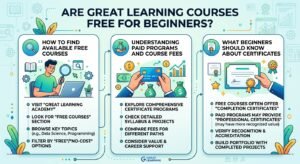
Some Great Learning Academy courses provide free access to learning content. However, not every program is free, and a free course does not necessarily include a free certificate.
Paid professional programs and other offerings may provide additional features or more extensive instruction. Always check the current terms before enrolling.
How to Find Available Free Courses
Browse Great Learning Academy and look for courses identified as free. Review the course description, learning level, estimated duration, and access conditions.
Confirm whether the lessons, assessments, and certificate are included or charged separately. Course terms can vary, so check the specific offering.
Understanding Paid Programs and Course Fees
Paid programs may include additional instruction, projects, mentoring, assessments, or structured learning support, depending on the program.
Before paying, review the total fee, payment terms, refund conditions, course duration, and included features. Select a paid option only when its additional benefits match your needs and budget.
What Beginners Should Know About Certificates
A certificate can document completion of a course or program, subject to its requirements. The issuing organization and credential type depend on the offering.
Some Academy courses charge a separate fee for a certificate even when their learning content is free. Check the conditions carefully and remember that a completion certificate is not automatically equivalent to a professional qualification or university degree.
Benefits of Using Great Learning for Online Education
Great Learning can help beginners explore subjects and develop foundational knowledge through organized learning materials. The value depends on the selected course and how effectively learners apply what they study.
Flexible Learning Options for Beginners
Self-paced courses can help learners fit education around work, school, and personal commitments. However, not every program follows the same format, so confirm whether the course is self-paced or scheduled.
Access to Structured Learning Resources
Organized lessons can provide a clearer learning path than searching for disconnected tutorials. Depending on the course, resources may include explanations, videos, exercises, and assessments.
Opportunities to Learn New Skills at Your Own Pace
Learners can revisit difficult concepts and spend additional time practising when the course allows self-paced study. Progress should be measured by understanding rather than speed alone.
Learning From Courses Relevant to Career Goals
Courses can help learners explore skills connected to their current work or future interests. Compare the curriculum with real requirements for your chosen field to determine whether it addresses your needs.
Challenges Beginners May Face With Great Learning
Online education requires learners to make choices, manage their time, and maintain motivation. Understanding these challenges can make the learning process more manageable.
Choosing From Different Courses and Programs
A wide range of subjects can make selecting a starting point difficult. Choose one course that matches your immediate goal, complete great learning, and then decide what to study next.
Staying Motivated During Online Learning
Set small milestones, record your progress, and revisit your reasons for learning. If you miss a study session, resume your routine instead of giving up.
Balancing Study Time With Daily Responsibilities
Create a realistic schedule that fits your responsibilities. Include time for lessons, exercises, and revision rather than planning only for video watching.
Understanding Course Requirements Before Enrolling
Review prerequisites, curriculum, assessment methods, duration, and certificate fees. Choosing a course that matches your current experience can prevent unnecessary frustration.
Read more: How Does Jiogames Work? Everything You Should Know
How to Make the Most of Great Learning as a Beginner
A productive learning experience involves active practice and regular review, not simply completing lessons.
Set Clear and Achievable Learning Goals
Define a specific outcome, such as learning basic Python or creating a spreadsheet report. Break that objective into smaller milestones that you can measure.
Create a Consistent Study Schedule
Choose study sessions that fit your routine and allow time for practice. A manageable schedule followed consistently is often more useful than an unrealistic plan.
Practice New Skills With Projects and Exercises
Apply your knowledge through small projects. You might build an expense tracker, write a simple program, or plan a sample marketing campaign.
Track Your Progress and Review What You Learn
Record completed lessons and concepts that need further attention. Revisit challenging material and test your understanding through exercises.
Apply Your Knowledge to Real-World Problems
Use realistic tasks to discover how well you can apply what you have learned. Practical projects can help you identify strengths and areas for further study.
Final Thoughts
Great Learning offers opportunities to explore new subjects through introductory courses and more comprehensive professional programs. For beginners, the best starting point is a course that matches their goals, experience, and available time.
Before enrolling, understand the learning requirements, course fees, and certificate conditions. Then build a consistent routine, practise new skills, and review your progress.
FAQs About Great Learning
Is Great Learning Good for Complete Beginners?
It can be suitable for beginners because its Academy includes introductory courses. Check individual prerequisites to confirm that a course matches your experience.
Does Great Learning Offer Free Online Courses?
Yes, some Academy courses offer free learning content. Certificate fees and additional features may vary by course.
Can Beginners Receive Certificates From Great Learning?
Eligible learners can receive certificates when they meet the applicable requirements. Check the certificate type, issuing organization, and any additional fees.
Do Great Learning Courses Help With Career Development?
Courses can help learners develop foundational knowledge and practical skills. Career outcomes depend on experience, demonstrated ability, qualifications, and other factors.
How Can I Choose the Best Great Learning Course?
Identify your goal, compare the curriculum and prerequisites, and consider the duration and total cost. Start with an introductory course if you are unfamiliar with the subject.


Pingback: Inatoto Explained: Features, Uses, and Key Information
Pingback: Exploring Gujarat Tourism: Famous Destinations, Culture, and Heritage